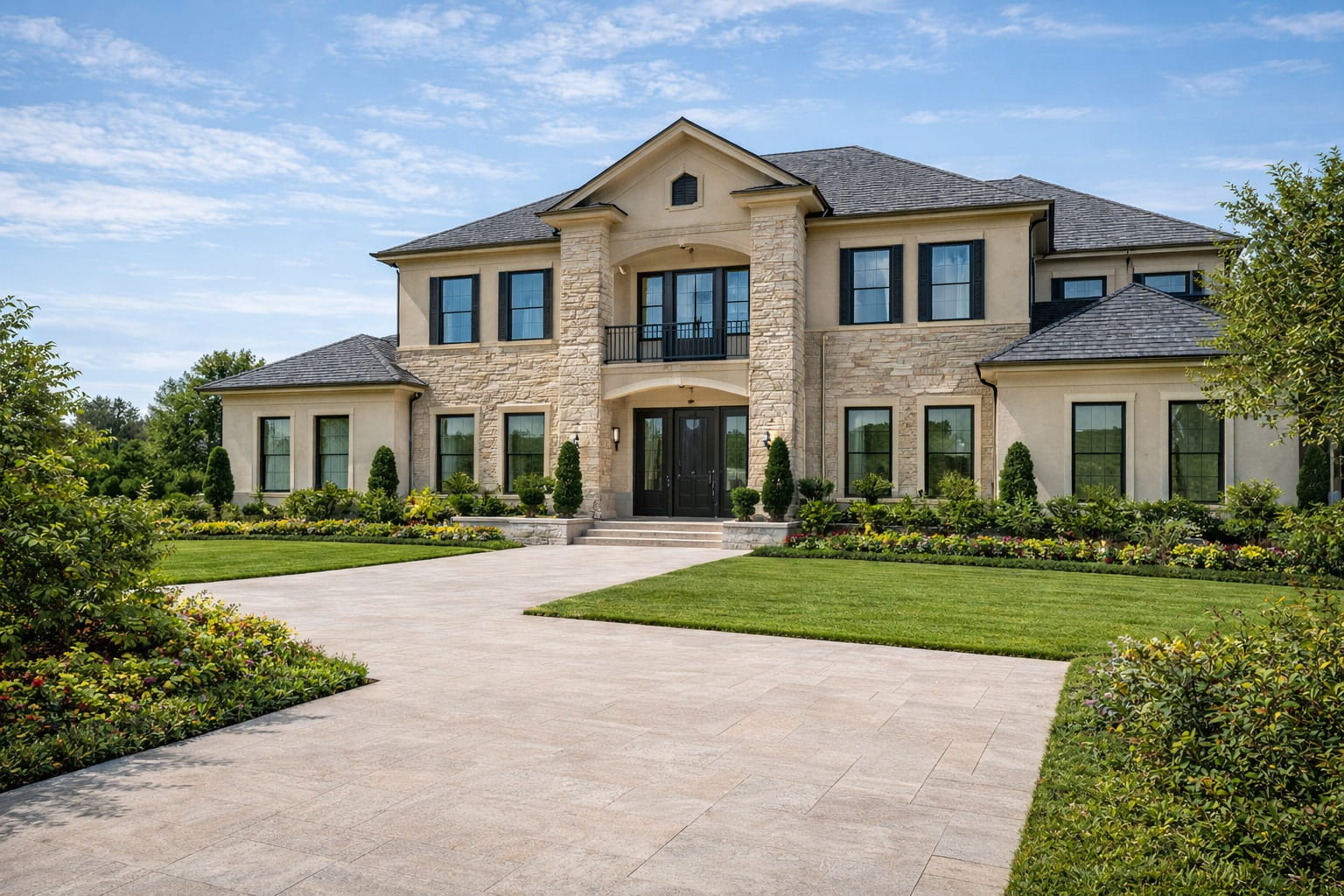
Selling an Older Home in Memorial: Homebuyers, Builders and Investors

You may be ready to sell but unsure what someone else will see: a home to enjoy, a renovation project, or a place to build something new. That makes it hard to know whether spending on improvements would be worthwhile.
Start with three decisions: who is likely to buy, which work is worth doing, and how to compare the offers. A buyer who wants to keep your home will value different things from one who plans to renovate or replace it. We should explore those possibilities before you commit to a remodel.
Your starting point is what you know about the house, your timing, and how much preparation you are willing to manage. I can help select comparable properties, recommend a preparation budget, and develop pricing and marketing around the likely buyers. You do not need contractor estimates or a complete property file before we talk.
Choose the properties your buyer would actually compare
The first decision is which buyers the property could serve. A homebuyer may compare it with other resales and completed new homes. An investor may plan to renovate and resell, hold it as a rental, or redevelop it. A builder buying for the lot may compare vacant parcels and older homes suitable for the proposed project. Those are different comparison groups.
I start with the exact location and likely use. The Memorial Villages and surrounding Memorial neighborhoods are not interchangeable. Comparisons need the address, jurisdiction, layout, lot and condition; school assignments, when relevant, need verification for the specific address.
Recent closed sales help support a pricing range. Active listings show today's alternatives, but asking prices are not proof of achieved value. Pending listings may signal interest while final terms remain unavailable. I will explain why each comparison belongs in the analysis.
For a purchase driven mainly by land, the house's price per square foot can be misleading. Lot area alone also leaves out dimensions, access, restrictions and other constraints.
Recognize when the lot is the main attraction
A livable older home may attract both people who want to keep it and buyers interested in the land. We can consider both before marketing it only as a teardown.
For a possible lot sale, useful records include the survey, lot dimensions, access, easements, deed restrictions, municipal requirements, tree and drainage information, and flood records. The buyer and appropriate professionals must verify what can be built. A large lot or nearby new house does not establish approval for the same project.
A builder will also investigate demolition, site preparation, utilities and other project costs. Different plans and budgets can produce different offers; the builder label alone tells us little about the terms.
Build a buyer comparison sheet
This is an optional working tool we can fill in together, using real addresses and one buyer group at a time. You do not need to research every row before contacting me. We can record the source of each fact and leave unconfirmed items open rather than infer them from photographs.
Scroll sideways to compare all columns
| Comparison item | Your property | Alternative A | Alternative B |
|---|---|---|---|
| Address and municipal jurisdiction | — | — | — |
| Asking price, status, and date checked | — | — | — |
| Living area and layout, if the house will be retained | — | — | — |
| Lot dimensions, usable outdoor space, and constraints | — | — | — |
| Condition, site records and known restrictions | — | — | — |
| Verified repair, renovation or site-work needs | — | — | — |
| Expected possession and project timeline | — | — | — |
| Written concessions, financing terms, and warranty details, if any | — | — | — |
I use closed-sale evidence alongside this sheet to assess pricing. The comparison should show what matters to that buyer: a workable layout, a manageable renovation, or a site whose constraints have been checked for the proposed building. Different uses need separate comparisons.
For the construction side of the comparison, new-construction considerations in Memorial can help frame the questions to ask about the actual alternative.
Decide what to repair, refresh, and leave for the buyer
Next, decide which work has a useful purpose for those buyers. A builder buying primarily for the lot may see little benefit in a new kitchen or flooring. That does not remove the need for safe access, accurate information, or attention to active problems while the property is occupied or marketed.
Repair active problems. A leak needs professional evaluation and appropriate correction. Ask qualified professionals to explain the cause, scope and documentation. Prioritize safety, active damage, and issues that may interfere with use or the transaction.
Use cosmetic work to make the space easier to understand. Cleaning, selective paint, lighting, landscaping care and furniture placement may help. I can recommend a specific preparation plan based on the home's condition and competing properties.
Consider leaving personal design choices to the buyer. A functioning kitchen with dated finishes presents a different decision from one with unresolved damage. Before replacing it, we should compare likely benefit, expense and launch delay. The next owner may prefer to choose the layout and materials.
Contractors establish the work and its cost; I can help assess whether the market evidence supports doing it before sale. No project budget guarantees a matching increase in price.
If the question has grown beyond sale preparation into a major investment, pause for a renovate-or-sell comparison. That decision deserves its own analysis before a marketing budget turns into a full remodel.
Make the home easier to evaluate
Start with the records you have: improvement dates, invoices, permits, inspection reports, equipment details and warranties. I can help organize them for buyers and identify gaps to discuss with the appropriate professionals. An invoice documents work; it does not guarantee current condition. Verify transferability before presenting a warranty as a benefit.
A measured floor plan helps show how the home works today. Room labels, dimensions and living-area figures should be checked before publication, with conflicting measurements resolved. Label any proposed layout separately; it is not evidence of construction approval.
Include water and drainage records. The Harris County Flood Control District's flood-risk guidance explains that flooding can occur outside mapped floodplains. A map result cannot establish that a property cannot flood.
Give inspections and appraisals their proper roles
A pre-listing inspection may identify issues worth resolving. Discuss its scope, cost and usefulness before ordering it; some questions need a specialist. TREC's inspection standards describe a limited visual examination and basic evaluation of building systems, rather than a comprehensive investigation.
An inspection addresses condition within its scope. An appraisal addresses value: the Consumer Financial Protection Bureau describes it as an independent assessment of property value. Neither replaces a pricing and marketing plan.
Prepare disclosures accurately and discuss newly received reports with your agent. The current TREC Seller's Disclosure Notice addresses material facts and physical condition; Texas Property Code Section 5.008 includes statutory exemptions. Confirm which requirements apply, with legal advice if needed. Presentation choices should never conceal known material conditions.
Compare offers by what you keep and what each requires
Finally, compare the actual offers, not just the buyer labels or headline prices. Net proceeds means what you may keep after paying off the mortgage and covering sale and preparation costs. I can help put those estimated amounts beside the obligations and timing of each offer.
Scroll sideways to compare all columns
| Offer detail | What we need to understand |
|---|---|
| Price, costs and concessions | Estimated net proceeds, including work or credits you would provide |
| Financing and other contingencies | What must happen for the buyer to proceed, and the evidence supporting the proposed funding |
| Due-diligence period | How long the buyer has to investigate and what the contract permits during that period |
| Closing and possession | Whether the dates fit your move and what overlap or carrying costs may arise |
A lower price may come with less preparation or a better-fitting timeline, but a cash, investor or builder offer is not automatically the stronger offer. Compare the written terms and seek legal advice where needed to understand your obligations.
Price the complete buyer decision
Before offers arrive, I use relevant home sales or land and redevelopment purchases to recommend a pricing position. An investor's offer reflects that buyer's project assumptions; it is not an independent valuation.
Subtracting requested upgrades dollar-for-dollar from a newer home's price is not a reliable valuation method either. Buyers value improvements differently, and spending cannot resolve every difference between properties. My home-value analysis is a starting point for a realistic sale range.
If a competing new home advertises an incentive, its written terms matter: eligibility, lender requirements, deadlines and included benefits. The CFPB's guidance on points and lender credits explains the potential tradeoff between upfront financing benefits and interest rates. An advertised credit is not automatically an equivalent price reduction. Any concession in your own sale must fit the financing and contract terms and the net-proceeds calculation.
Let the marketing prove the positioning
My marketing plan should make the strongest verified benefits easy to see: the floor plan, outdoor space and improvements for buyers keeping the house; lot dimensions, surveys and restrictions for buyers evaluating the land. Development possibilities remain subject to verification, not assumed approvals.
Depending on the property and agreed strategy, the plan can include premium photography, video and accurately labeled virtual staging. Staging should preserve room proportions and physical condition; it should not erase visible defects or make unfinished work appear complete.
Outreach may include the Keller Williams Memorial office network, relevant builders and investors, social media, and open houses where appropriate. Walkthroughs or remote tours can help buyers examine remaining questions. If the property may work as a home or building site, the presentation can explain both accurately.
We can use a Memorial selling timeline to coordinate preparation, records, photography and access. At agreed review points, I will review inquiries, showings, competing inventory and buyer feedback with you. Repeated objections may call for clearer information, a targeted correction or a pricing adjustment.
Frequently asked questions
Do I need to renovate an older Memorial home before selling?
Not necessarily. Builders buying for the lot may see little benefit in interior updates. Buyers keeping the house may value targeted repairs or presentation work. We can compare those possibilities before you approve a preparation budget.
Can an older home be priced near a new home?
Possibly, when property-specific evidence supports it. Age alone does not establish the difference in value. Compare location, lot, living area, layout, quality, condition, and actual transaction evidence before choosing a price.
Is a pre-listing inspection the same as an appraisal?
No. An inspection evaluates condition within its stated scope; an appraisal assesses value. Whether either is useful before listing depends on the questions you need answered. A buyer or lender may still require their own work.
How do I know which Memorial properties are comparable?
I can help select them using the exact address, likely use, property characteristics and relevant recent sales. The differences between Memorial and the Memorial Villages help explain why geography matters. Homebuyer, renovation and land-purchase comparisons should stay separate.
Could a builder or investor buy my home mainly for the lot?
Yes. Whether that is the best route depends on the property's location, lot, condition, constraints and actual buyer interest. Compare price, contingencies, due diligence, and closing or possession terms; the buyer's label alone does not settle the choice.
If you are preparing to sell, contact me for a property-specific selling plan. Share the address so we can discuss the home and its relevant comparisons, along with your timing and preparation concerns. The next step is a conversation about likely buyers, useful work, and selling as is versus making improvements first. You do not need contractor estimates ready.
YOUR HOME · YOUR NEXT STEP
Compare selling options for your older Memorial home.
Request a conversation with Milica about likely buyers, useful preparation and selling as is versus doing work first. You do not need contractor estimates ready.
Your address helps focus the discussion on your home, including potential interest from homebuyers, builders or investors.